


Glucosamine

Joint health in everyday life and sport

Glucosamine is a ubiquitous sugar amino acid, naturally present in the body, and is essential for the normal growth and repair of connective tissues, such as the articular cartilage of synovial joints.

Glucosamine is included in the list drawn up by the Ministry of Health ‘Other nutrients and other substances with nutritional or physiological effects’. It is believed to have several properties: the main one concerns its potential to strengthen joints and help preserve the structure and elasticity of cartilage. According to some studies, glucosamine also supports the body during intense physical and mental work and has anti-inflammatory properties.

Glucosamine properties

Icons

It helps reduce inflammation and pain in muscles and joints

Icons

It acts on worn cartilage, promoting its resistance and maintenance over time

Icons

It lubricates joints, drawing in water and stimulating the production of natural protective substances

Icons

It promotes joint mobility, helping to maintain joint elasticity and functionality over time

Atleta con dolore alle articolazioni

Chondroitin:
another ally

Chondroitin sulphate plays a significant role in biological processes, as it is widely distributed in humans, other mammals and invertebrates. It is generally present in all connective tissues, particularly in cartilage, skin, blood vessels, ligaments and tendons, where it is an essential component of proteoglycans.

Thanks to its anti-inflammatory activity, it shows clinical benefits in symptomatic osteoarthritis of the finger joints, knee, hip, lower back, facial joints and other conditions.

The main reasons for using chondroitin sulphate as an aid in cases of osteoarticular problems are:

  • its ability to slow down the development of osteoarthritis;
  • its anti-inflammatory activity;
  • its role in the formation of new bone, cartilage and tendons, maintaining the structural integrity of tissues and repairing damaged ones;

It is often combined with glucosamine in preparations, as glucosamine and chondroitin promote the biosynthesis of proteoglycans and inhibit the degradative enzymes responsible for premature cartilage breakdown in osteoarthritis.

Functional Ingredients

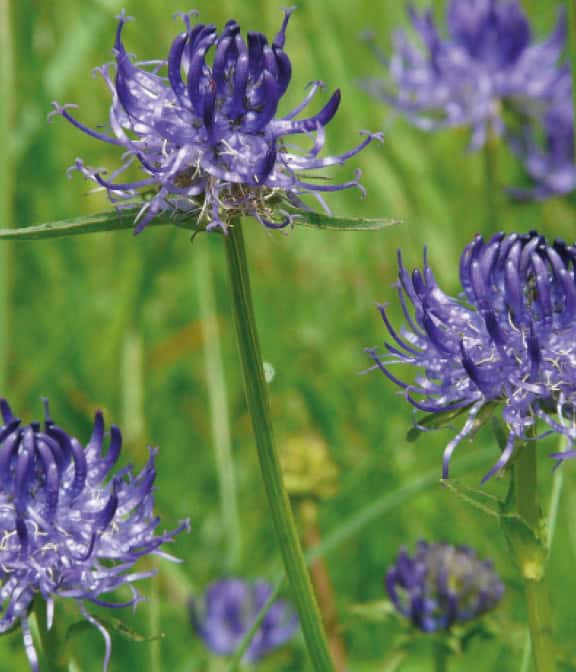
Artiglio del diavolo

Devil’s claw

Devil's claw (Harpagophytum procumbens), which belongs to the Pedaliaceae family and is native to southern Africa, is a valuable aid in cases of joint problems, thanks to the anti-inflammatory activity of the active ingredients it contains. It owes its scientific name to the particular shape of its fruit, which resembles the paw of a bird of prey with curved claws due to the presence of small hook-shaped protrusions. The main chemical constituents of devil's claw are iridoid glycosides, sugars, triterpenoids, phytosterols and aromatic acids. The main chemical component believed to be responsible for its anti-inflammatory activity is harpagoside, a monoterpene glucoside.
MSM

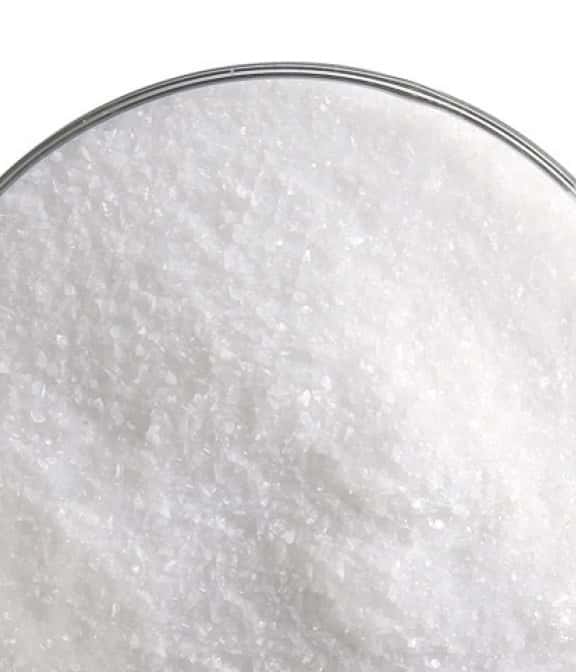
MSM

Methylsulfonylmethane (MSM) is an organosulphur compound used as a complementary and alternative medicine. It occurs naturally in certain varieties of fruit, vegetables and grains and can be an excellent dietary source of sulphur, which is useful for metabolic purposes in promoting enzymatic functions such as detoxification and the synthesis of important amino acids such as methionine, cysteine and taurine.

Scientific literature suggests that MSM may have clinical applications for arthritis, but also in cases of acute inflammation induced by physical exercise. As a therapeutic agent, MSM uses its unique penetrability properties to alter physiological effects at the cellular and tissue levels. In addition, MSM has the ability to act as a vector or co-transporter for other therapeutic agents, further expanding its potential applications.

Vitamina C

Vitamin C

The main activity of vitamin C is antioxidant: a targeted action of protection of cells against oxidative stress, the consequent oxidation and the cellular damage caused by free radicals.

Aside from this, ascorbic acid allows normal metabolism through participation in enzymatic reactions, including the synthesis of collagen. Preclinical studies have shown that vitamin C has the potential to accelerate the healing of bone fractures, increase collagen synthesis of type I and reduce parameters of oxidative stress.

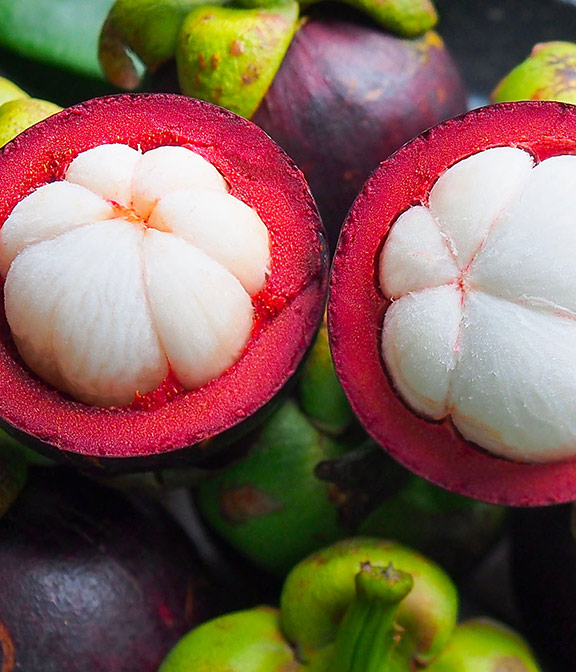
Garcinia Mangostana

Mangosteen

The mangosteen (Garcinia mangostana L.) belongs to the family of Guttiferae (synonym Clusiaceae) and is typically cultivated in the tropical countries of Southeast Asia. Traditionally, various parts of the mangosteen tree were used, including leaves, roots and fruits. The anti-inflammatory effect of this fruit is attributed to the xanthones present in the pulp and pericarp of the fruit. Xanthones are one of the classes of prevalent compounds in the mangosteen.

Today, there are several studies that address the use of mangosteen as an antioxidant, antimicrobial, anti-inflammatory and anti-hyperglycemic substance due to the presence of bioactive compounds.

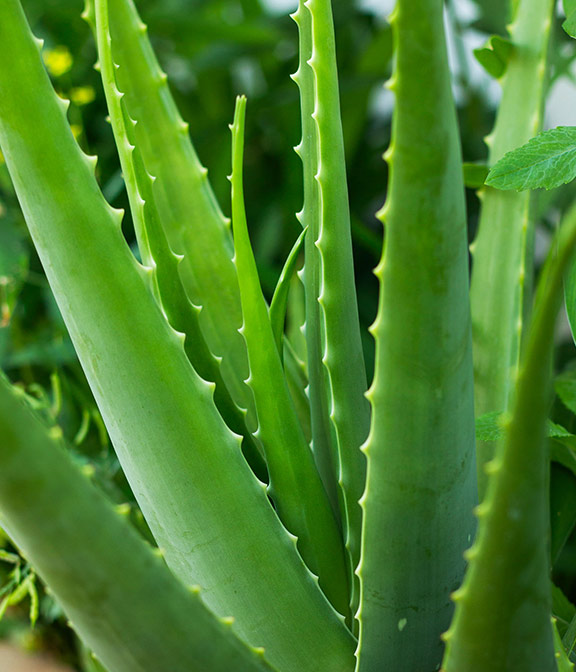
Aloe

Aloe vera

Aloe vera is a widely used ingredient in topical formulations due to its natural content of polysaccharides, vitamins and compounds with hydrating, soothing and protective effects. The aloe vera gel applied locally helps maintain skin hydration and promotes a pleasant sensation of freshness and comfort in the affected area. The refreshing and soothing effect of aloe vera completes the functional action of Glucosamine, contributing to immediate relief on the skin surface. It proves useful for improving the comfort of the treated area, especially in the presence of joint tension or fatigue.